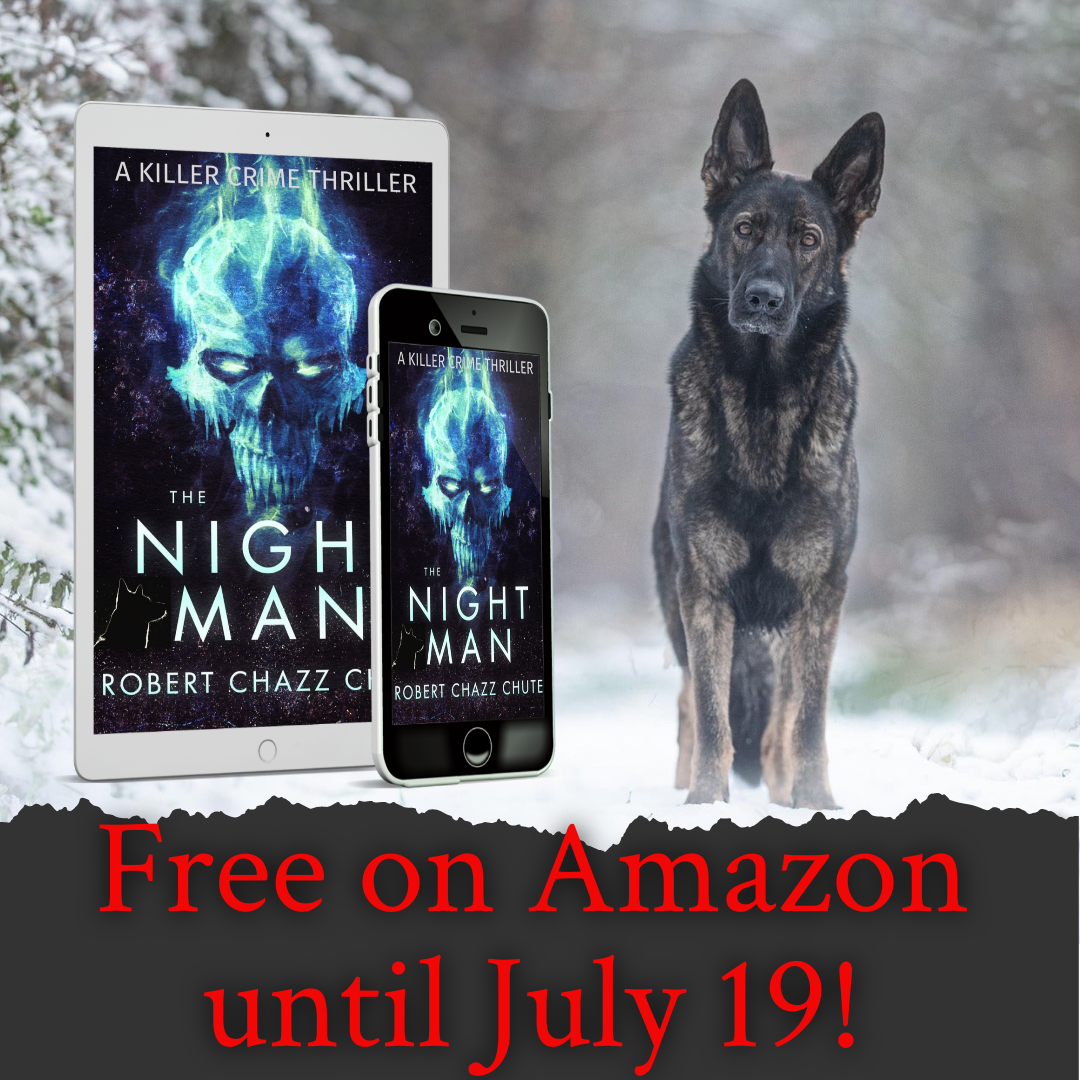
Sometimes, you can ignore the best writing advice.

Everybody’s best writing advice was, “Never kill a dog in your story.” Then along came John Wick, and even that tried-and-true nugget was thrown out the window. To tremendous success, I might add. This reinforces (for the umptimillionth time) that William Goldman was right. “Nobody knows anything.”

Solid writing advice was passed on to me from a film producer:

“If it plays, it plays.”

Some things will work, and some things won’t. When it comes to fiction, often we don’t find out what works best until it’s tested in the marketplace. In The Night Man, truth be told, I killed off some dogs, but I hedged my bets. I saved a couple who became integral to the story.

But what’s the story?

In The Night Man, Easy Jack is a wounded veteran with a bum knee and a bad dad. When he returns home to Orion, Michigan, he plans to go back to training guard dogs. Unfortunately, he discovers the town has a long memory of his past deeds and his high school sweetheart is in deep trouble. Worse, dirty cops pull him into a billionaire’s bomb plot.

But how do you make the hard turn acceptable to animal lovers?

I love dogs. I get the aversion, but I did a few things in this thriller to make the conflict more palatable.

  1. It’s not gratuitous. I don’t care for gore, so the worst stuff happens out of the hero’s (and the reader’s) view.
  2. It makes sense for the plot. I didn’t throw it in there for shock value alone.
  3. This loss ups the stakes and steels the protagonist’s spine.
  4. There is revenge and redemption to be had following the hero’s loss.
  5. Two treasured dogs survive and are an ongoing presence through the thriller’s twists and turns.

    So, you love dogs. I love dogs. Trust me, you’re in good hands when you decide to try The Night Man.

    FIND OUT MORE AFTER THE JUMP:
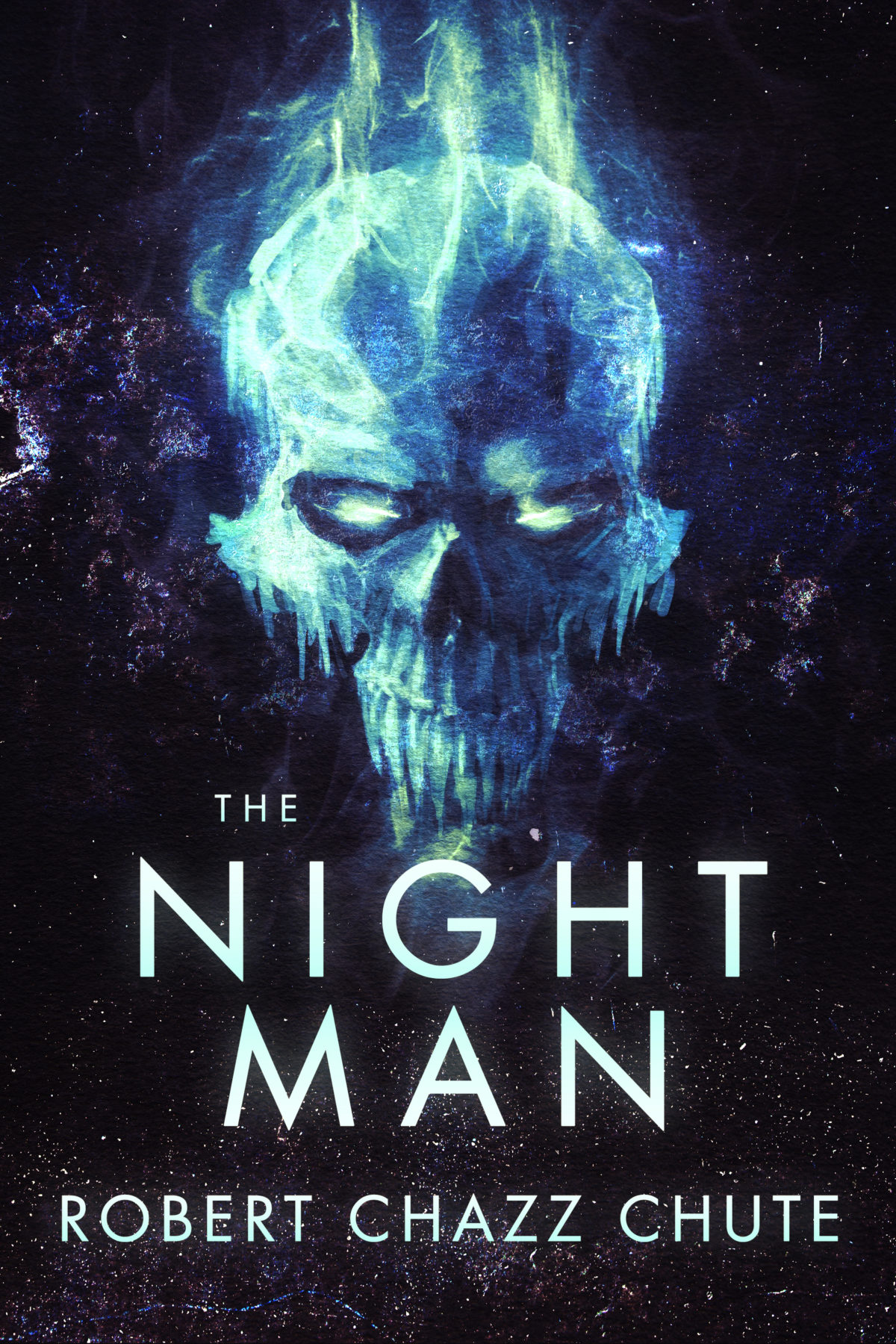
Your universal Amazon link: https://books2read.com/u/3RMPDx

The bad guys have money, power, and a jet packed with explosives. To make his stand, our hero is armed with quick wit and a Smith and Wesson. Easy Jack also has a loyal German Shepherd named Sophie by his side. To combat the shady side of small-town America, this wounded Army Ranger will have to enter the darkness he hoped to leave behind.

From the author of the Hit Man Series comes a killer thriller. The Night Man won first prize in the genre category at the Hollywood Book Festival!

“You’re guaranteed a mighty fine read.” ~ Claude Bouchard, USA Today Bestselling author of the Vigilante Series.

Easy Jack isn’t a bad guy, but to survive, he will have to act like one.


Returning home after serving his country, Ernest “Easy” Jack hoped his family’s reputation had been forgotten. No such luck in Lake Orion. Small towns have long memories. Grudges run deep. Worse, his high school sweetheart is trapped in an abusive marriage. Family bonds, love, and loyalty will be tested when a sociopathic billionaire and a dirty cop conspire to use Easy in a deadly bomb plot.

Escape is unlikely. Easy’s odds are not even.
Three Famous Writers Who Changed My Life

When I think of the writers who have guided my writing life, three come to mind first. Here’s the who and, more important, the why:

1. Stephen King


I couldn’t get into the Dark Tower stuff but I’ve read everything else. I love how he provides an ordinary context that sets the scene for the extraordinary. His heroes are normal people and I enjoy finding out how they deal with extremes.

There’s a scene in Tommyknockers that hit me between the eyes. A good guy with a gun is about to use the weapon to save himself. The handgun misfires. Later I read an interview with The King. He said something to the effect of, “The girl is holding a knife she will never get to use.”

In other words: Good stories come from providing no easy solutions. The wide and easy road out of town isn’t wide and easy. It’s a gauntlet. Things get tough for your characters. Then they are made tougher and the noose tightens.

2. Kurt Vonnegut


I saw him speak once a long time ago. I like Vonnegut so much I made him a character in my time travel novel, Wallflower. What appeals to me is his humor and his humanity. He was a kind and decent human being as well as a writer who had fun and got his readers to enjoy themselves. He dealt in big ideas but viewed them through the lens of the individual. Good fiction feels personal.

Some of my fiction is pretty grim and gritty. Even so, I emulate Kurt Vonnegut’s work in that there remains a note of hope amid the rubble. Characters often make great sacrifices but they do so for good reasons and ultimately there is always payoff and a point. I think that’s an important role in fiction, to provide order to chaos. There’s enough chaos in real life. That’s what we’re trying to escape when we open a book.

3. William Goldman


He just left us recently but what a life and legacy. I’ve often said that people know him for his screenwriting. Everyone knows Goldman for The Princess Bride. We should all know him for his novels. The Color of Light is the best novel I’ve ever read. His non-fiction also happens to be hilarious. Want to work in Hollywood? Try Which Lie Did I Tell? and Adventures in the Screen Trade.

Lawrence Block said of Goldman’s writing that reading him “is like watching card tricks while I’m drunk.” Goldman had a method that has always guided me. He makes you think you knew what was going to happen next. Then he pulls the rug out from under the reader. You’re never safe. I was on the 28th floor of an apartment building in Toronto one summer night when I got to the end of one of Goldman’s books. I thought I was safely in the dénouement. The tricky bastard laid a trap for me in the last line that changed everything in the novel. I threw the book across the room in surprise.

Exhilarated and laughing, I knew what and how I wanted to write for the rest of my life: everyday people suffering suspense through funny, twisty plots.

In Bigger Than Jesus, the beat where you find out how Big Denny met my hitman Jesus Diaz? That moment was written by me. It was brought to you by William Goldman. (That hairpin turn caught me by surprise as I wrote it, too. The twist wasn’t in the outline. It rose organically. I’m mostly a pantser.)

In This Plague of Days, when the surreal becomes real and we discover the villain’s true motivation and ally? That’s a big idea made personal. That’s a Vonnegut moment. So is the last scene and the Afterword from the titular author.

In Brooklyn in the Mean Time, the main character is an ordinary guy in extraordinary circumstances. Saddled with a very problematic family, he ran away and turned to crime to survive. Coming home, he’s on a journey toward redemption but he’s barely got the right tools for the job. That character (who happens to be named Chazz and sounds a lot like me) could have stepped out of a Stephen King novel.

Sadly, two of my literary heroes are dead. Long live the King!

Question of the Day

Who are your literary influences? What book changed your life?