How I Almost Got Scammed

Book marketing is not easy, so I was looking for help with that. Then, I almost got scammed by a clever ruse.
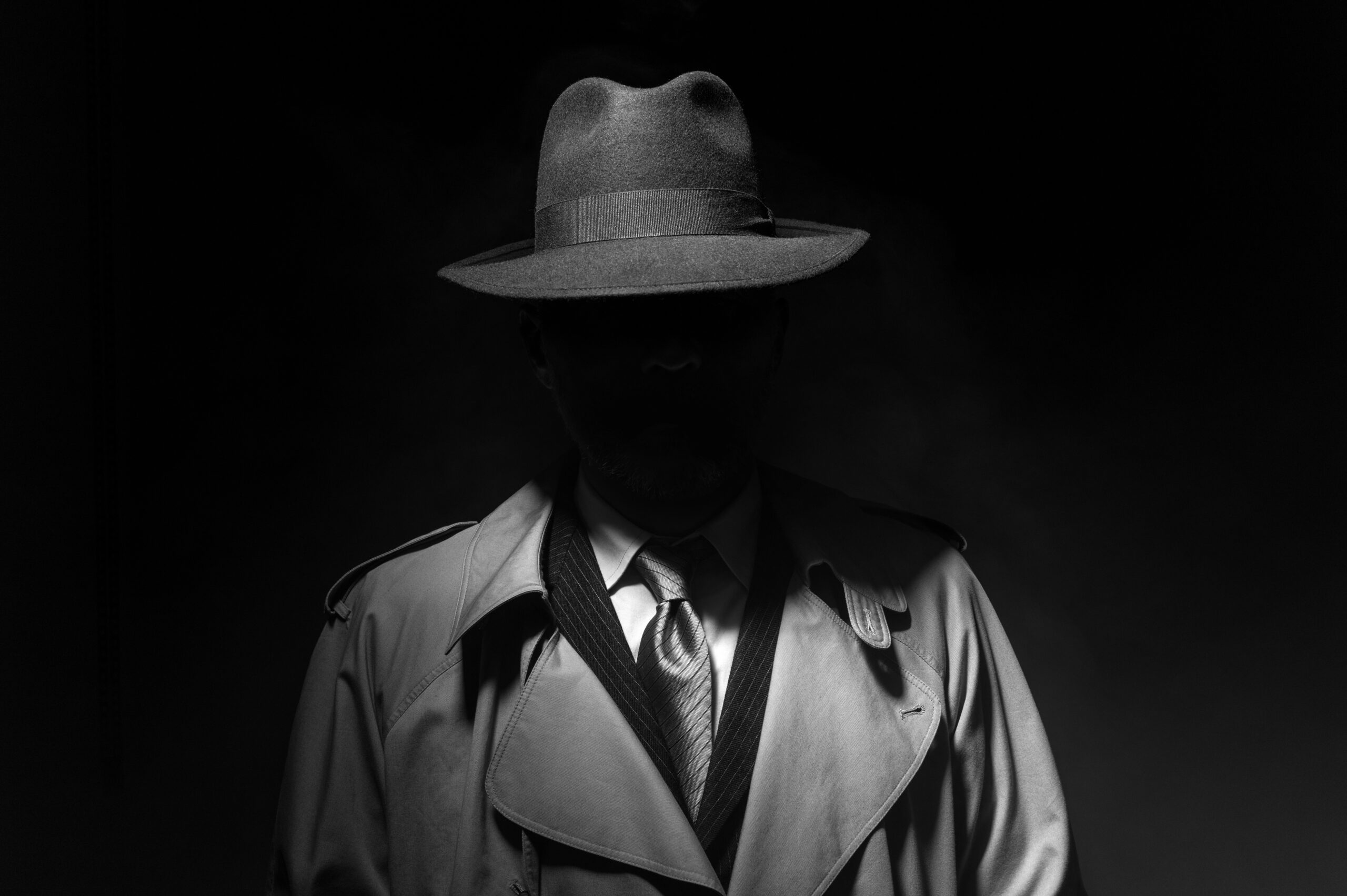
Beware of charmers

Famous children’s author Robert Munsch followed me on Bluesky, only it wasn’t Robert Munsch. The conversation started off nicely, especially since I already had a tangential connection to the author. In the late ’80s, I worked in trad publishing in Toronto. Working for Lester & Orpen Dennys and Cannon Books, I was a book rep. Traveling all over Toronto to sell to bookstores, Robert Munsch’s books were always the easiest to sell. He is beloved, and I sold all his books.

Enter the Grift

I’m used to being approached by book marketers in social media and email. That’s fine. The clever part of this scam was the third-party recommendation. When it’s honest, third-party recommendations are the best! I love it when my readers spread the good word about my novels. Their recommendations and happy reviews carry much more weight than me hanging out on street corners and whispering, “Psst! Wanna buy a book? It’s great, I swear! The story will melt your face and taste like fudge!”

When Not-Bob-Munsch on Bluesky asked about my work, I was fooled and flattered. When he suggested I speak with his agent about book marketing, I was happy to hear more. It was a little weird in that he claimed this third party was his agent. From what I saw, it looked like her sole focus was marketing books. That isn’t unheard of, mind you. There used to be many more literary agents. Changes in the publishing industry have led quite a few agents to switch lanes to book marketing, courses, and consulting. I assume many of them are now real estate agents.

Warning Signs

There was a mistake in the Munsch profile on Bluesky, but it was minor. I didn’t have shields up yet. It was the conversation with the book marketer that made me increasingly leery. She was polite, but her syntax was slightly off. As I read and reread the details of what she offered her clients, it appeared AI-generated. She outlined an ambitious plan at a very low cost. That rang more alarm bells.

I wondered, what’s the upsell here? I asked if her fee was for a PDF with the details needed to better sell my next book. She said our interaction could involve more than that, check-ins and personal coaching to meet deadlines. As a poor writer, I have anxiety about money. Hell, I wear a wallet with a chain so thick it could be a bike chain. (There’s a dire clue to my trust issues around money.)

When book marketer sent a link for payment of $250, I asked a couple more questions, stalling until I could do a deeper dive.

The Clincher

“Are we still connected?” the book marketer asked from the Bluesky chat. She seemed too eager to get me to click that payment link.

“Can’t deal with this at the moment,” I replied. “I’ll get back to you soon.”

A couple of hours later, Not-Bob-Munsch was checking in to see how I was. This didn’t ring true at all. I remember Bob as a very nice guy, but who has this kind of time? Given her public profile, I said I was surprised the person he recommended was his agent.

His answer was tangential. “Oh, she’s the best at blah, blah, blah.” After a short pause, “She’s my only agent!”

My Final Confirmation

That tore it. Google is your friend. The real Robert Munsch is represented by the CookeMcDermid agency. It got so much worse than that. I called up a friend to tell him about the attempt on my precious dollars. He did some googling of his own. “Robert Munsch is battling dementia.”

That was crushing.

A fraud was using Robert Munsch’s name for clout. It’s especially disappointing when fraudsters slide beneath your low expectations. I did the blocking thing. Oddly, I couldn’t figure out how to report the fraudulent account on Bluesky. They’re a new platform with very few employees. I like Bluesky a lot, but the user interface isn’t quite there yet. I did reach out to CookeMcDermid, though. I doubt they can do much about a book marketer from Florida using skeezy tactics, but I thought they should be aware what’s going on.

Anyone can claim to become a book marketer and, with time and experience, be helpful and make it true. No one can get there who starts off marketing themselves so dishonestly.

The Takeaway

Shipping News author Ann Proulx didn’t follow me, either. For a little while, I thought she had. Alas.

There are decent people trying to make an earnest living at marketing books. Frankly, I’d rather have someone do all my marketing for me. Until that happy day, I’ll continue to educate myself and do what I can. Be wary. There are hunters in the dark corners of the interwoods, and they’re hunting wabbits. You’re the wabbit.

That warning applies no matter who you are.

Helpful Resources

Right now, I’ve got two people I’m paying attention to as I prepare to launch Vengeance Is Hers.

Dr. Judith Briles on YouTube is helpful. I find her podcast sometimes has sound issues, but she’s great.

Book marketing guru David Gaughran has a free and in-depth course I recommend. He’s written solid books on the subject, too. You’ll see it all on his website.
Haters, Trolls, and Vengeance

Today, I reminded my sister that she made me her enemy on my twenty-fifth birthday. She sent me a birthday card that said, “Happy 25th!” I opened the card. The inside message was: YOU ARE NOW OLD.

“You remember that?” she said. “Holding grudges isn’t good for you! You should let that go!”

“I don’t know how to do that. Anyway, my point is, you shouldn’t sleep so well. My enemies often end up in my books. Bad things happen.”

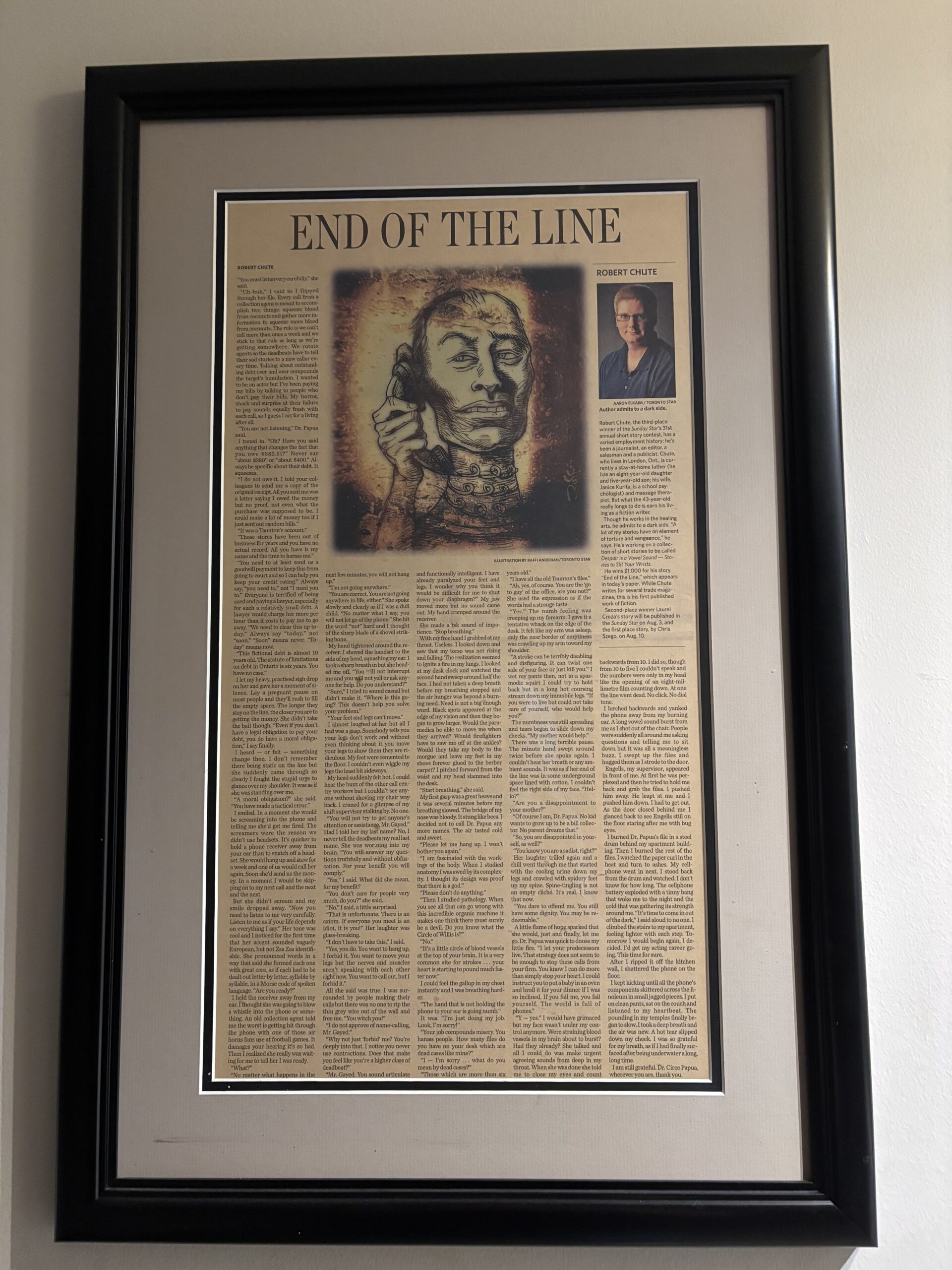
I placed highly in s short story contest put on by The Toronto Star. A lot of positive feedback came my way. The morning after it was published, a woman tracked me down. She asked me to be her co-author on a non-fiction book. She was not simply asking. She was adamant because she had such passion for her subject. It was to be about how her son was an addict. His addiction, she told me, was weed. Boy, did she seek out the wrong writer! I have trouble sleeping, and such supplements help me. My first anthology was Self-help for Stoners. I turned her down.

Next up was my father. He wanted me to write the story of his life. At that time, I was in the middle of putting out four novels a year. “You don’t know what you’re asking,” I told him. “Writing your book means a huge opportunity cost. I don’t have the bandwidth to write your book and cater to my readership, too.”

In the end, he did write his auto-biography. I edited it and helped him publish it, but I didn’t allow his hobby to swallow all my career aspirations.

Most of the interactions I’ve had with readers have been overwhelmingly positive. Sometimes it’s hard to remember that.

After publishing This Plague of Days, someone reached out to me on Facebook to congratulate me on completing the trilogy. “Thanks!” I said. “Very kind of you to say so!”

It would have been fine if it had stopped there. This person then asked me repeatedly to recite everything there was to know about the book. It seemed they wanted the outline, no matter how many hours it might take from me. I replied that I don’t give out spoilers. What I meant was, just go buy and read the book! I wanted to ask, “What did your last slave die of?” That person had no social skills and ulterior motives. After I turned them down, I never heard from them again.

Most of the interactions I’ve had with readers have been overwhelmingly positive. Sadly, I remember the negative ones best. I have an eidetic memory for every insult. I am still debating about dispatching assassins to those who have wronged me. One fellow had a very high opinion of himself. He tried to blackmail me into working with him as an editor. No, thanks!

Oh, and that win for the Toronto Star contest? It stirred up a couple of trolls. One went on a diatribe of “That’s not how hypnosis works!” (A) I never said it was hypnosis, and (B) I know all about hypnosis, thanks.

Another grumpy guy insisted I didn’t deserve the prize. They also made sure to let everyone know they had not participated in the contest and lost. Sweetheart, methinks thou dost protest too much. Go beat up a leaf.

I read negative reviews not at all or only once. When I’m feeling down (which is often), I reread my happy reviews many times. That is therapeutic. Readers will never know how many times I went to bed, pulled the covers over my head, and decided it was time to give up. But what else am I going to do? Hypnosis, maybe, but that’s it!

So many times, I wish I said the right thing in the moment. “I don’t have the bandwidth to deal with that,” is a great go-to. Unfortunately, that vocabulary didn’t exist yet in the late ’80s and ’90s. People have that phrasing now, and it’s useful.

Since the pandemic, many people have been more mindful of their time and energy. For instance, office workers who want to continue to work from home are clinging to that status. If they are no less productive and happy to ditch the commute to work from home, why not?

Those who have the privilege are more careful about how and where they spend their time and energy. Energy vampires will take advantage of you if you let them. I try not to dwell on what the trolls spew. Hurtful words are always usually more about the person hurling them. But my memory is too good for this sort of thing, and sometimes that’s awful.

Have you figured out how to let go of insults and hurt feelings? If your strategy works without giving me a lobotomy or a serious blow to the head, let me know. I’d be very curious to hear how you manage that.

No wonder I write novels about clever revenge and vigilante justice.

This Is How It All Ends

If you want a happy ending, it depends on where you stop the story.

– Orson Welles

Once upon a time, several years ago, She Who Must Be Obeyed and I were lolling on the couch discussing happily-ever-afters (or HEA, if you’re a savvy reader).

Writers are often told to write what they know. If that were too solid a rule, too much excellent science fiction would vanish from existence. I say, write what you care about, and great things will follow. Similarly, it’s not my aim to provide a HEA every time so much as give readers a satisfying ending.

“So maybe I’ll cry, maybe I won’t?” my wife asked.

“You may turn the last page shuddering in tears of joy and recognition,” I replied in an arch English accent (because that’s my villainous voice). “Even if the resolution turns into a Pyrrhic victory, I dole out some hope. It’s not a downer ending I’m looking for, just a real one.”

“So bittersweet, dripping with verisimilitude?” SWMBO asked.

“Yeah, but not too much.”

“Why’s that?”

“Because fiction should be an entertaining escape. Real life is too harsh. In real life, our endings are all too tragic and full of fear. Take this moment,” I said. “You and me are on the couch, and the kids sleeping peacefully in bed. This will all end in tears, but right now is our happily ever after.”

Her eyes widened.

“This is it, baby,” I said. “Our happy ending! Are you happy?”

“Yes.”

“Cherish this time. I do.”

Five Times Art Imitated Life

Some readers mistake a fictional character’s opinion for that of the author. Were that true, I’d be in prison by now. My plots are full of characters living on the edge of society…okay, that much is me. Let’s start again: Not every thought a character espouses reflects my values. However, some books strike closer to home than others.

My mission is to entertain. I’m not trying to predict the future. I do extrapolate plenty, and in the last few years, reflecting reality has become more unsettling. Inevitably, my political views slip in where appropriate. No apologies or regrets on that front.

I don’t try to predict the future. All I want to do is prevent it.”

~ Ray Bradbury

Here are five times my work reflected reality closer than I expected:

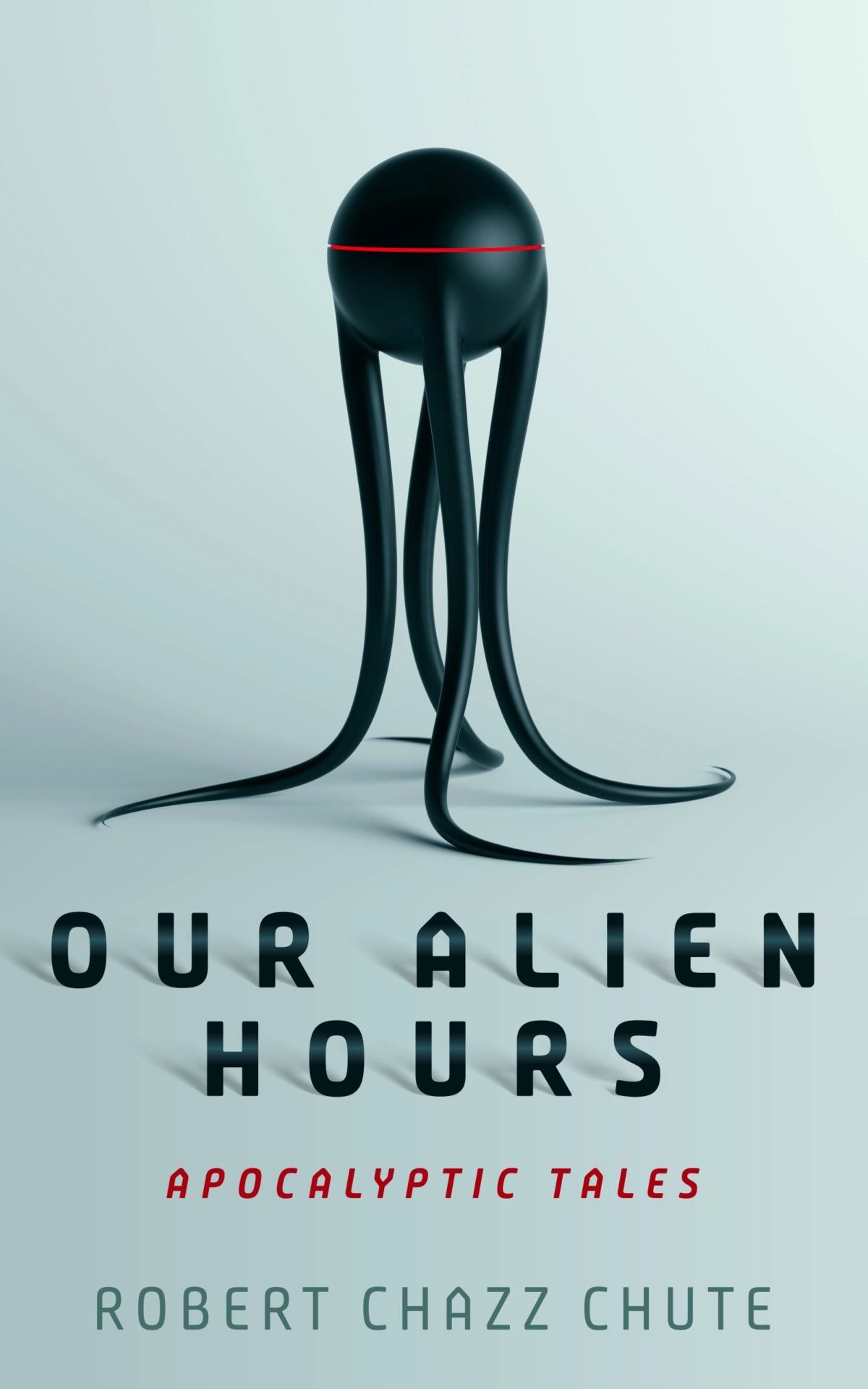
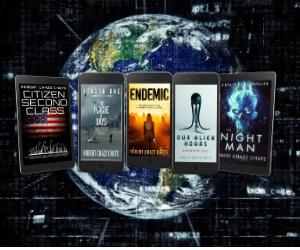
In Our Alien Hours, the alien threat rises from ocean. Seen the news lately? Nobody seems to care, but I’m prescient!

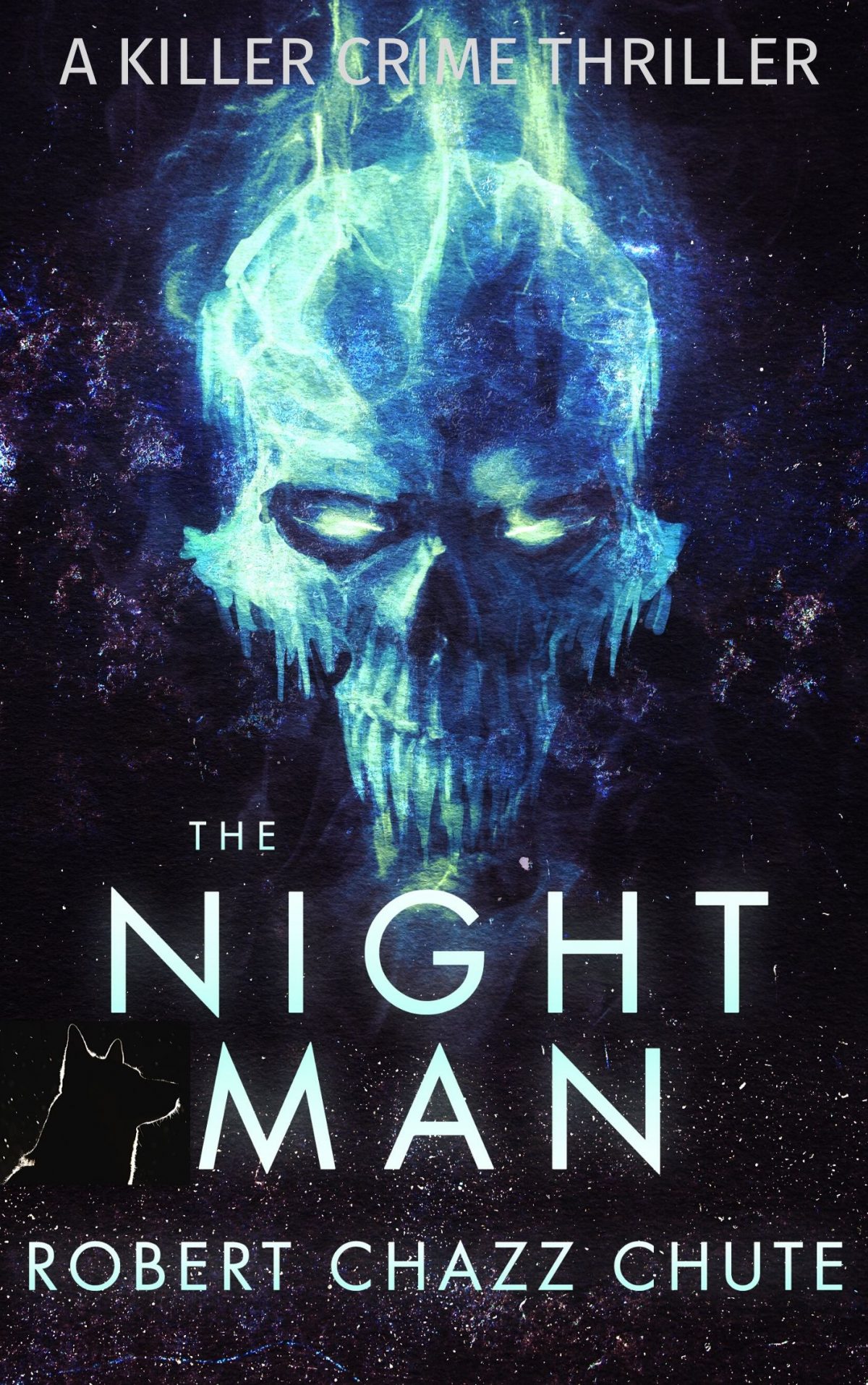
The Night Man cover

In The Night Man, the dad is a drug smuggler, but he’s just trying to get cheap Canadian drugs to Americans who are in need. The protagonist is a wounded veteran with few choices after he is medically discharged.

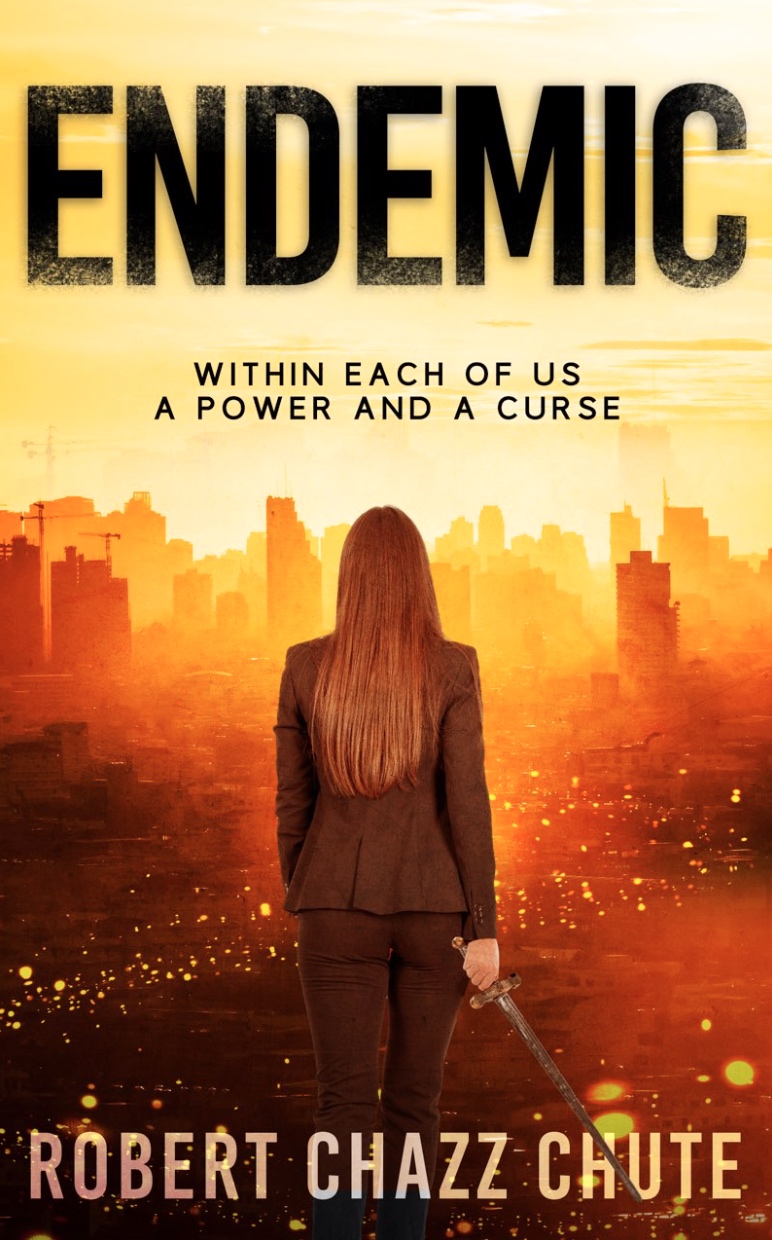
The genesis of Endemic is a virus that kills billions. Many of the survivors suffer cognitive impairment. Long-COVID (and repeated infection) gives some people brain fog, and since the disease is now endemic, we will continue to see such ill-effects to brain health.

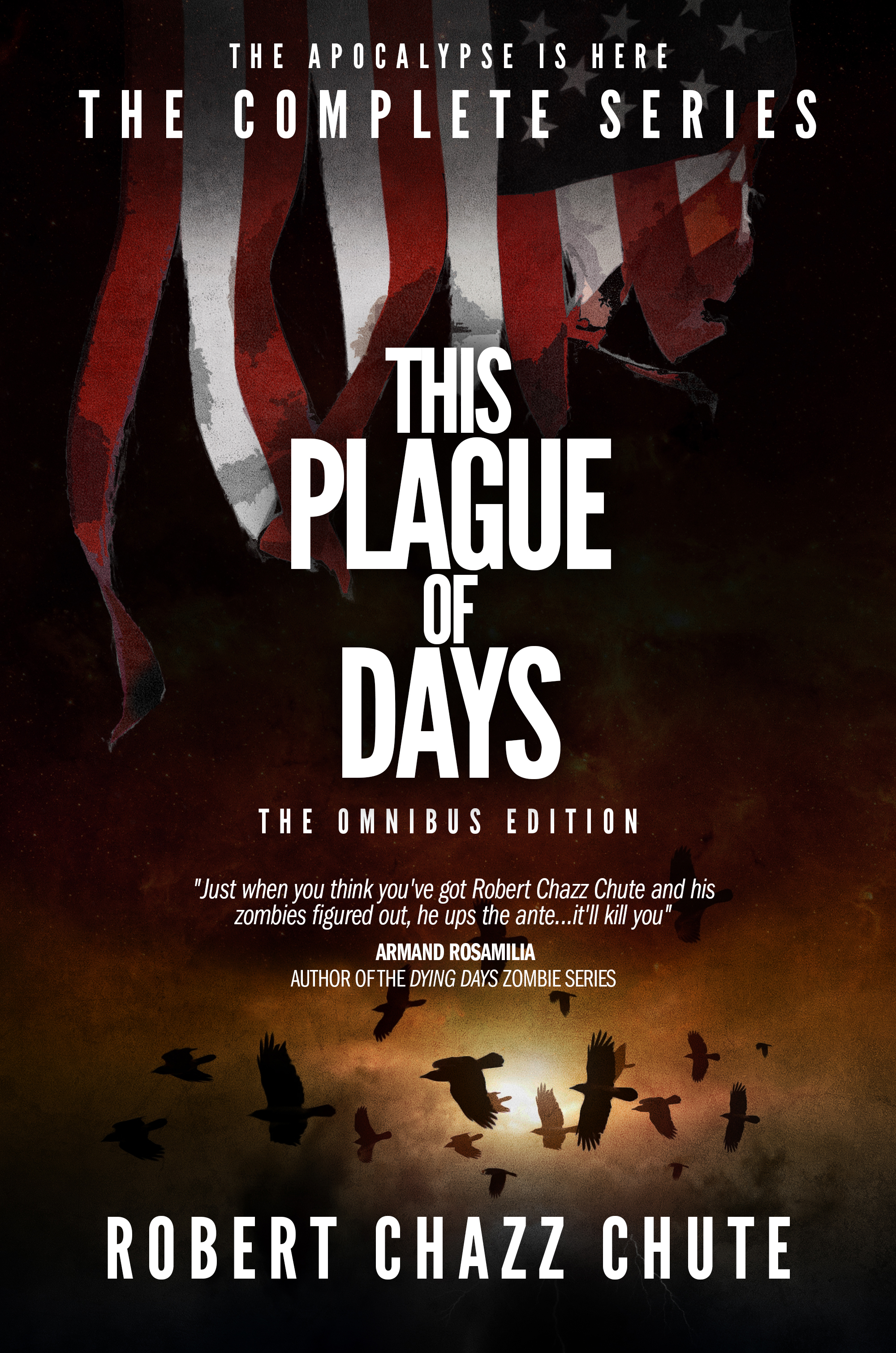
In This Plague of Days, paramedical professionals were recruited to make do and join the fight against a pandemic. Long ago, I sat in a meeting about pandemic preparedness. This was part of the plan. I informed those in charge that this was a terrible idea and gave multiple reasons why. I was fired for it. In This Plague of Days, a non-medical person works in a hospital. She and her baby are infected because of that ill-conceived strategy.

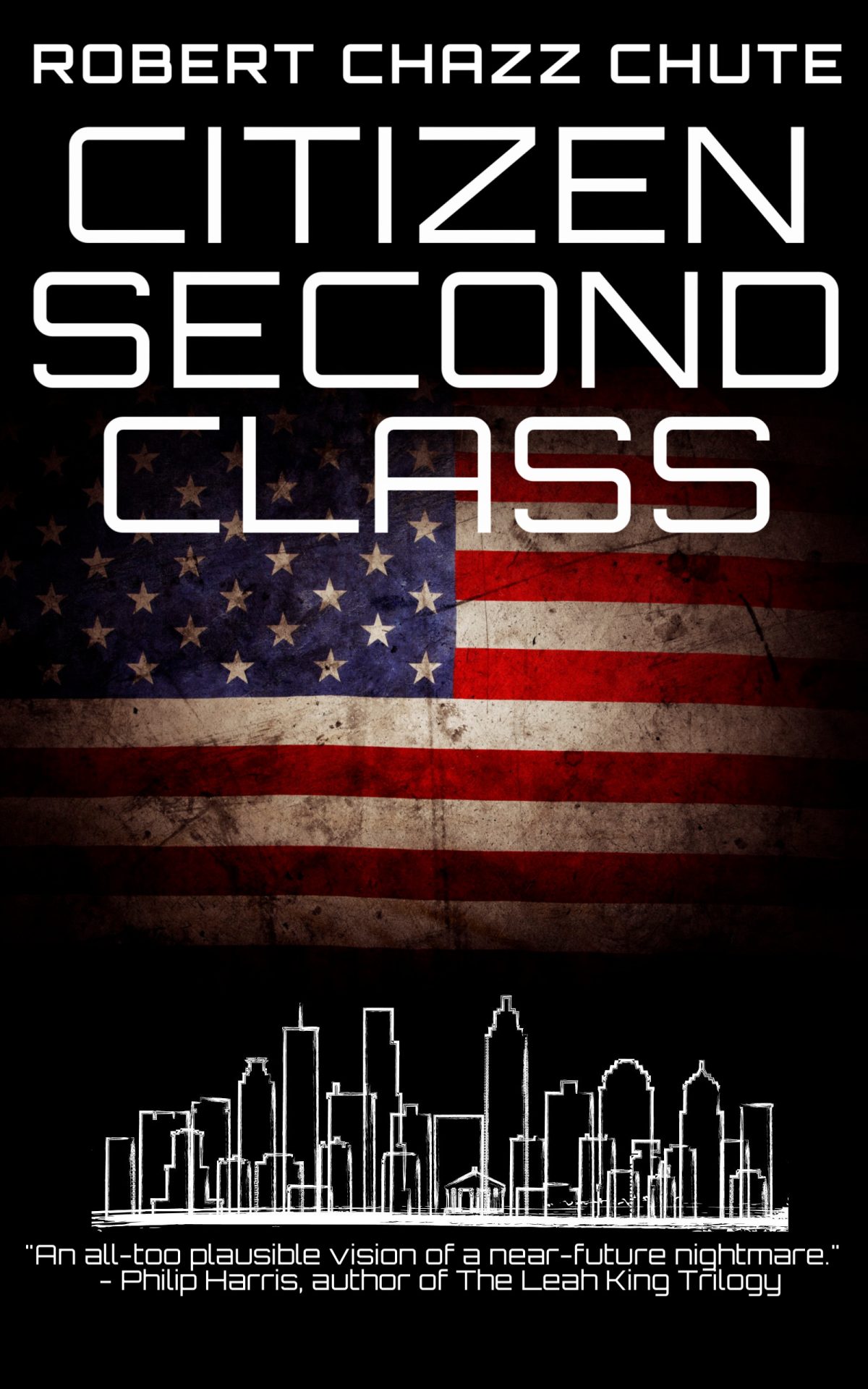
Citizen Second Class is unfolding now. The uncaring elite are building bunkers and fortifying their islands, while the lower classes worry about providing for their families.

Then, of course, there’s my upcoming thriller, Vengeance Is Hers.

Given all that’s happening in the news and the many failures of the justice system, I predict there will be an appetite for vigilante justice thrillers.

Coming in 2025. Buckle up!

Tales of Humiliation

Recently, an author posted about how an up-and-coming writer’s book had failed to launch. The author claimed to be a bestselling writer, and boy, was she a scold! She was all up in her feelings about a self-published author’s debut that failed to sell many copies. Her core message was, “If only they’d done what I had done! If only she knew better!”

This demonstrates a fundamental misunderstanding some folks have about publishing books. There are too many variables outside the author’s control and no guarantees of success. You can do everything right, and still fail. In fact, trad or self-published, most books fail to find an audience. To become a bestseller in Canada, you have to sell a few thousand in a week. Less than 0.5% of the 100,000 hardcovers published each year make the New York Times Bestseller List. Novels have a spectacular failure rate (if your only metric is sales and reaching a wider readership. Some authors do not share those aspirations).

The bestseller criticizing the debut writer attributed her success to herself, her publisher, and her skill. There are many more factors than that. When people succeed, very few have the perspicacity to admit they were just plain lucky. Instead, they rationalize their genius moves after the fact.

You can optimize your chances of success, but the headwinds against you are enormous. The Netflix documentary featuring Fran Lebowitz was originally expected to air earlier than it did. Netflix put that off, and that turned into a happy accident for Lebowitz. That delay meant the show aired during the height of the pandemic. Many more people watched than otherwise would have because everyone was stuck at home.

Arrogance and ignorance can really drag an artist down.

During book promotions, many authors freely give away books to boost the store algorithms and garner more reviews. When my dentist asked about my work, I mentioned that I was running a promotion at that moment for my new book.

“You can pick it up for free right now,” I offered. Nice and generous, right?

“You’re giving it away?” His tone suggested I was making a rookie mistake in devaluing my work.

I still run into that attitude among some authors, but it’s a tried and true marketing tactic.

“Objection! Stephen King doesn’t have to do that.”

Ahem. You’re not Stephen King. Neither am I. There can be only one!

To be found, loss leaders are common and not at all shameful. It’s incredibly difficult to get people to review a novel, and harder still to sell a novel with few reviews. Many authors decide to give to get to increase their long-term sales. There are other approaches, but this is far from outlandish. Give a few hundred, and potentially gain a few thousand new readers and maybe a couple of dozen fresh reviews. Simple marketing, right? (It is, I’m not really asking.)

It gets worse.

On a Zoom call with fellow alums from my university, I discovered how I’d stumbled into a rather insulated clique. First, one woman didn’t believe I had attended our alma mater at all. “I don’t recognize you,” she said. It was a challenge. Amazing how casual some folks are about making an enemy for life, huh?

We attended a small university, but I wasn’t one of the cool kids. I recognized her from the cafeteria, but saying so would have made me feel even more inconsequential. She was active in clubs, at the bar, and getting lots of pictures of herself with friends she would keep for life. I was up in my dorm room reading and happy.

(Stay tuned. My humiliation continues below the graphic)

All that content solitude in university was one reason I got to do this:


mybook.to/TheEndemicExperience

It got worse.

On the same Zoom, an old friend said he had picked up Endemic for free. The other people on the call laughed at me. The friend asked if giving away books was worth it. In that moment, it sure wasn’t. I was in the wrong group, talking to the wrong people. Hurt feelings aside, I’ve never put hurt feelings aside.

Whatever you’re choices, there will be people who don’t know your journey, but they are certain you are doing it wrong. Don’t just agree to disagree. Disagree to disagree. Keep going, and do you, Boo.


Weekend Reads: Embracing Literature for Escape

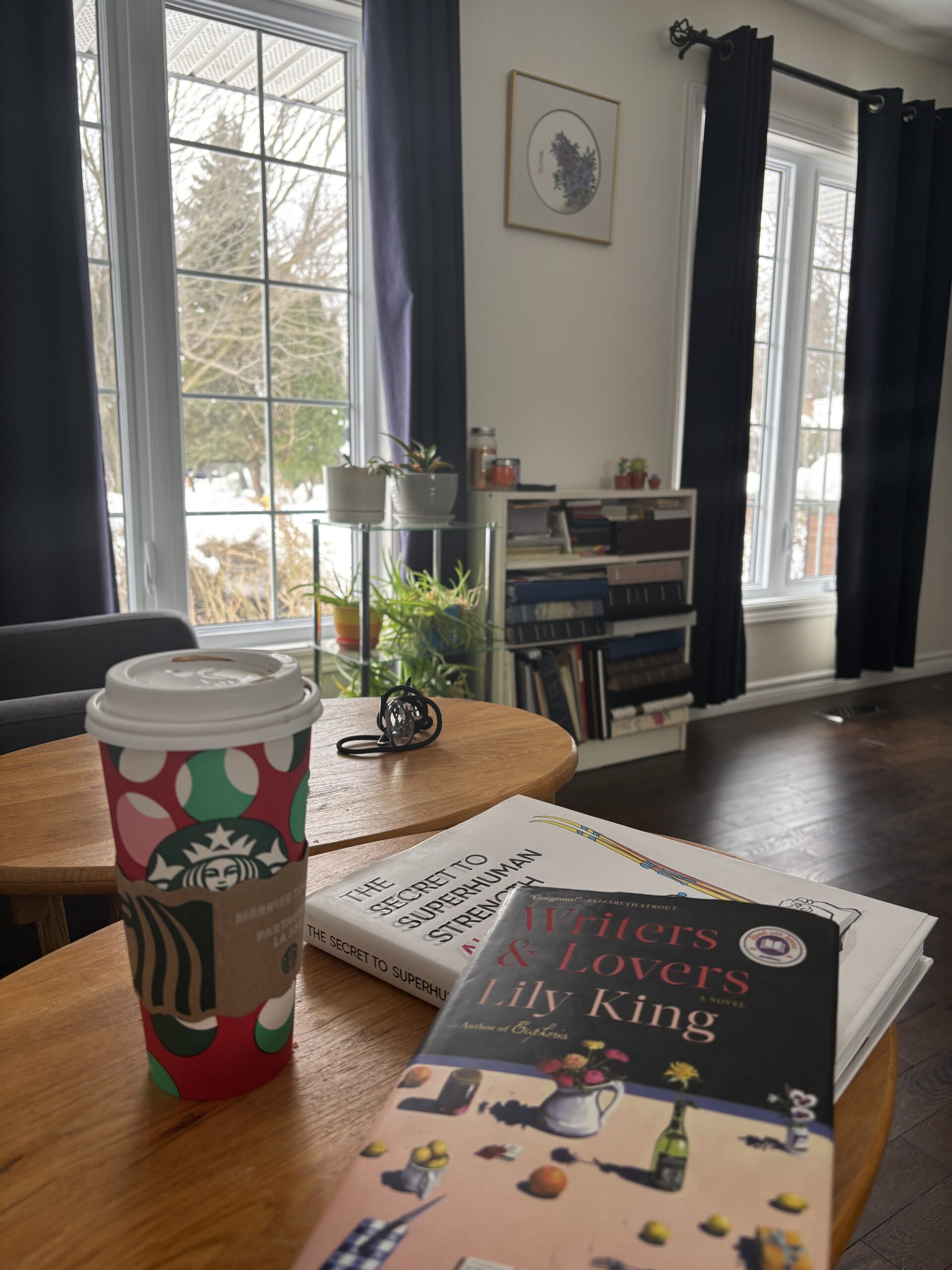
Coffee and a book or two are great ways to start a Sunday morning. I’ve found my escape from the news, at least for a little while.

I just got these this morning, and I already know Writers and Lovers is a binge-read.

Sunday Morning, back home in Nova Scotia

When we weren’t arguing about whether I should be imprisoned in the car and taken to church, Sunday mornings used to be magical. Sunday mornings meant listening to CBC’s Sunday Morning and Dad cooking up a hunter’s breakfast. The theme music was “English Country Garden,” a very civilized and incongruous opening for a series of radio reports about the state of the world. My clearest memory of the show comes from November 1978. I know the date because it was when I first heard the gritty details of the Jonestown massacre. Many years later on the same program, they read a letter I wrote on air. It was an ode to my beloved journalism prof, Walter Stewart, upon his death. Read the second paragraph under Early Life and Career on his Wikipedia page, and you’ll understand why I loved him.

Sunday morning: today.

This morning, I awoke to news of rebels capturing Damascus and Bashar al-Assad fleeing to parts unknown. I had to shovel the end of the driveway again because the plows came through. That done, I headed out as CBC reported on the abuse of First Nations people by police. As I drove home from the bookstore, the cantankerous and fun Fran Lebowitz was interviewed. “English Country Garden” is long gone, but the journalistic standards remain.

I was once a journalist and columnist. Now, when I get a weekend newspaper, I skim the news and head for the Books section. I wonder if I’ll pay so much attention to politics and world affairs for the next couple of years. I love to be informed, but I write fiction. It occurs to me that many of my happiest times were when I retreated into the safety of books.

Books are Milestones of Nostalgia

One Christmas, when all I wanted was a train set, I was sick. I went to bed with a tall canister of Smarties and read Chitty Chitty Bang Bang by Ian Fleming. Later, I would read all the James Bond books. They had so little to do with the movies I loved, but I loved the books no less.

University was me putting off toiling in the workforce for four years. It meant hiding in my dorm and reading In Cold Blood and Portrait of the Artist as a Young Man. Once I graduated, I moved to Toronto to work in publishing. I was selling American Psycho and arguing with my bosses about censorship (Them: for; Me: Against).

I ate up Bright Lights, Big City, and related to the story so hard. On a summer night on the 28th floor of my apartment building in downtown Toronto, I devoured my favorite novel, The Color of Light by William Goldman. When I realized he had fooled me again, right down to the last line, I threw the book across the room, partly in exaltation, partly in admiration.

Chase the Cozy

Losing oneself to a novel, there is a coziness that feels like sitting by a crackling fire as a storm rages, a storm you don’t have to face. If you have the privilege of ignoring the violence and disappointments of current events, even for a little while, cherish it.

I encourage you to check out my books and retreat into fictional worlds for some solace. There are plenty of links to your right.

Failing that, here’s a link to Lily King’s Writers and Lovers. Think of it as Portrait of the Artist as a Young Woman. I’m only 30 pages in, and it’s delightful.

Write Drunk, Edit Slightly Tipsy, Wow the Fans

Hemingway said, “Write drunk, edit sober.” I say, stop being such a chicken. Take more risks.

In my fiction, I look for opportunities to do innovative and unexpected things. The chapter titles to This Plague of Days trilogy aren’t just numbers. Go to the table of contents, and the chapters form an epic poem that hints at the complex events across the narrative. Is that weird? I don’t care if it’s weird. The clues to the story are there, but it’s actually more fun for the reader to go back to read that poem again after they’ve completed the trilogy. They’ll gain a deeper understanding once they’ve read the story. (In gaming, they call that replay value.)

In my new thriller, every chapter title is one word that ends in -ion, and relates to what’s happening in that chapter. For instance, instead of Copyright, Table of Contents, and About the Author, you get Notification, Configuration, and Confession, respectively. (And yes, there really are that many useful words with the -ion suffix.)

Some publishers would clutch their pearls at such deviations from the norm. Who cares? I am the helmsman on this voyage, and I say we skip the Panama Canal and risk the storms around the Cape of Good Hope. No one remembers a voyage over calm seas.

Have you got anything besides title tricks, Rob?


Sure. Proper editing ensures that we communicate well and do not confuse readers in our efforts to entertain them. I’m not getting in the way of that, but I will deliver the unexpected. Editors make prose clear, not safe. Who said it was supposed to be safe? To quote another sage of our age, Captain James Tiberius Kirk insisted, “Risk is our business.” Put another way: Let’s be interesting. Resurrect old idioms. Come up with new idioms. Experiment with expressions that have never existed in real life. (Not yet, anyway. I’m hoping some of my innovations catch on.)

I look at Papa’s advice with the same dim view as, “Kill your darlings.” That mindset done too broadly will eliminate your most clever stuff. Inside jokes can be okay. That’s the writer writing for themselves and the die-hard fans. As long as you don’t disappear up your own metaphorical butt, it works a treat. “Works a treat” is a dated British expression some beta reads would flag. Leave it in. They are readers, so assume they’re smarter than stale toast. Trust them to pick up context clues. Free yourselves! Break the rusty chains of the Olde Gods!

Readers who aren’t in the know will skip right by sub-references.

In 1985, I met with the great science fiction writer Spider Robinson. I was a fan, but I hadn’t read all of his stuff yet. He sat me down over coffee and spoke of his origins as a writer. He looked very serious as he opined something like, “I was on my bed, naked, with some good tunes on the stereo, a drink in one hand, some hash in the other, and a book in my lap. It occurred to me that I was bored.” So Spider decided to write his own novels instead of just reading them.

Only after I read more of his work did I run across those words in one of his novels. I didn’t know it at the time, but he was quoting himself. Good on him. When you’ve got good words, don’t give the same speech once.

On Black Friday, I visited Villains, the companion shop to Heroes, the best comics shop in Other London. I bypassed the men-in-tights stuff of my youth and went straight to the indie publishers’ offerings. On the hunt for fresh and interesting stories, I found them. Think in terms of Harvey Pekar’s American Splendor. Or lush watercolors without a single line of dialogue that still tells a story. I’m a fan of Iron Man, but you can’t say Marvel and DC are taking risks. Their products are dependable, but you won’t experience many new flavors.

Writers, take risks. Readers, please indulge us. We’ll make it more fun for both of us.

Now about those pictures

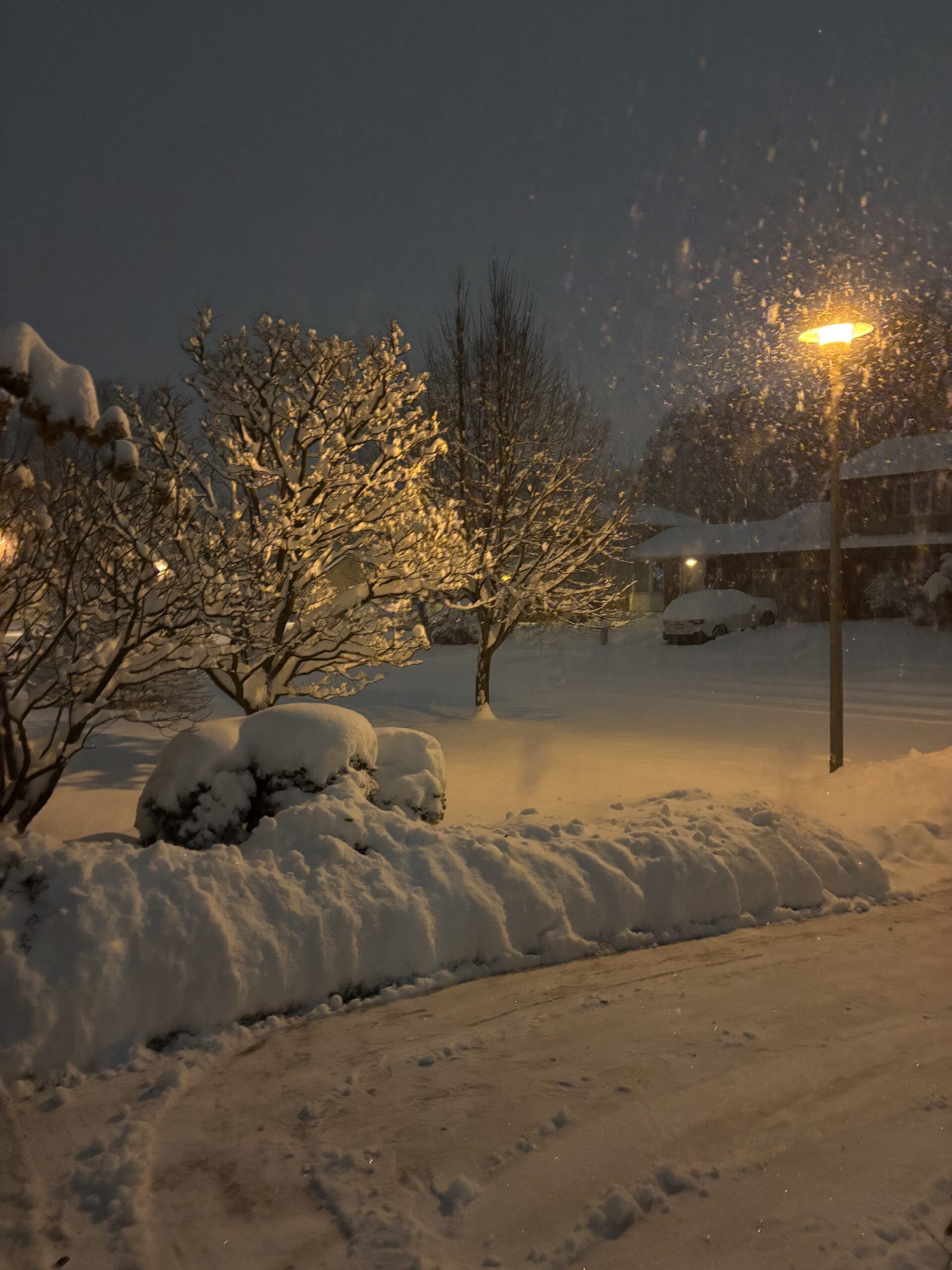
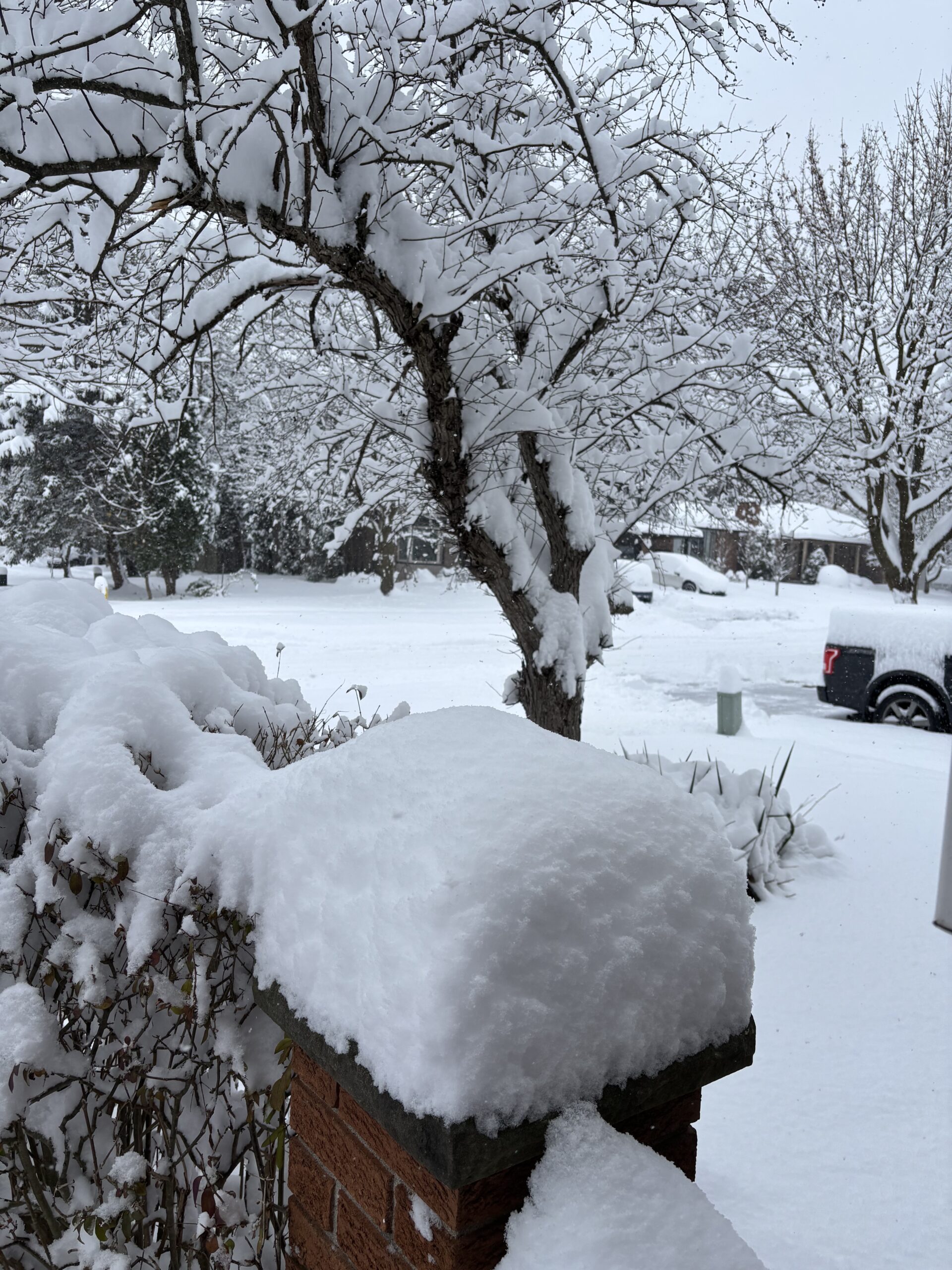
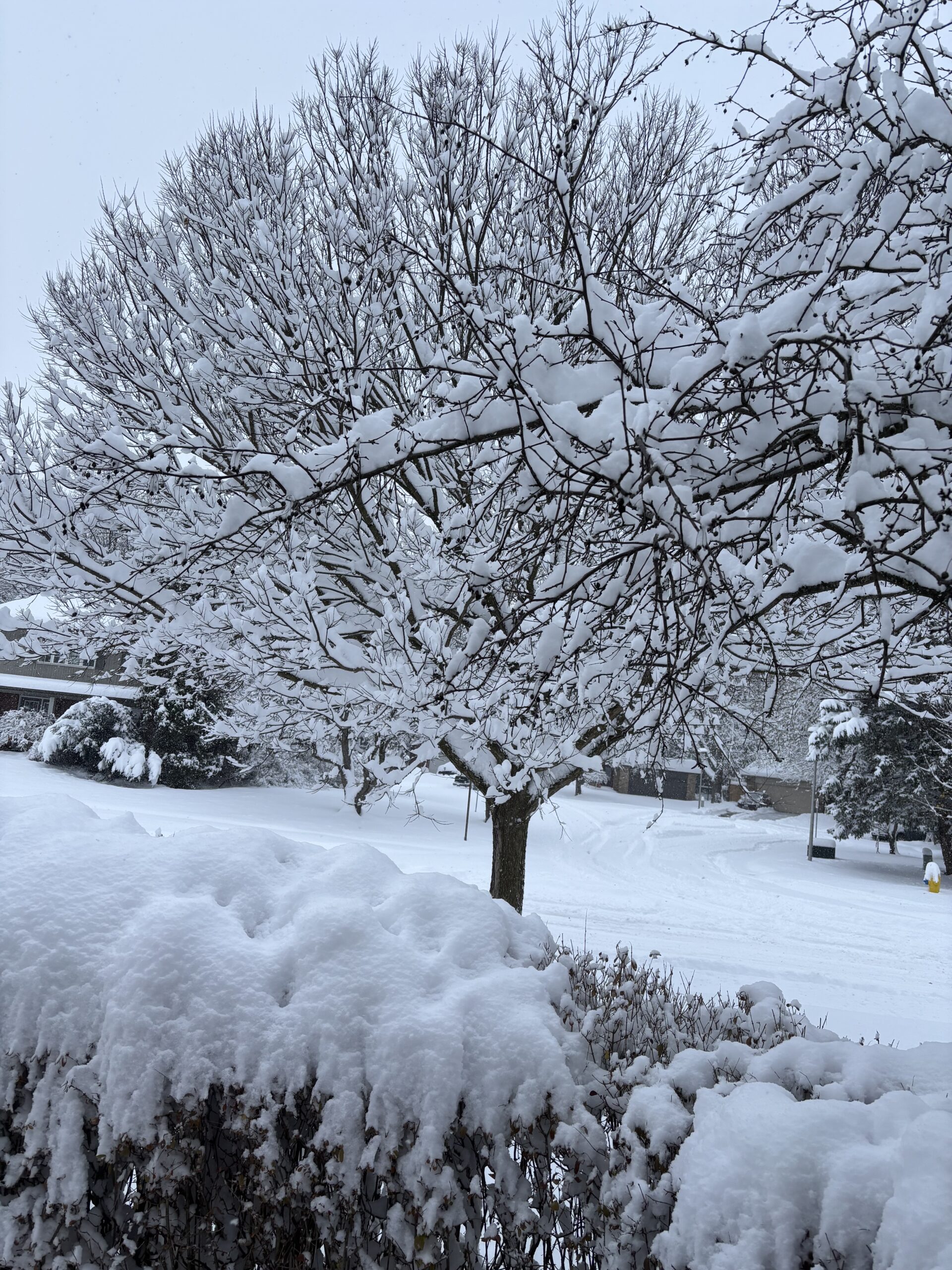
Last night, I could not sleep. With an appointment to get to this morning, I decided to do battle the snowstorm. The first snowfall has always been a tentative thing, a warning of what’s to come. It’s Motherhumping Nature asking, “Have you got your snow tires yet? Did you remember to pull the snow shovels from the shed?” (Yes, to the first question, negatory on the second, dammit.) No mere warning this time, though. Got a big dump of snow that is still pummeling us as I write this.

At 4:45 a.m., I was out there slinging it, testing my new hip. Worked fine and barely raised my heart rate. I shoveled about a foot of snow. By the time I was done that and had cleaned off the car, I had to shovel again. Dug a fresh six inches at 8:45 a.m. Saints preserve us, winter is here. I prefer palm trees, but I do like how quiet the landscape becomes once the sharp edges and hard surfaces are soundproofed under a thick blanket of snow.

And when it gets very cold — Moon cold — the snow squeaks underfoot. Of course, by then, I’m afraid to go outside and hide in my blanket fort, writing the next novel.